A bay shaped like a horseshoe
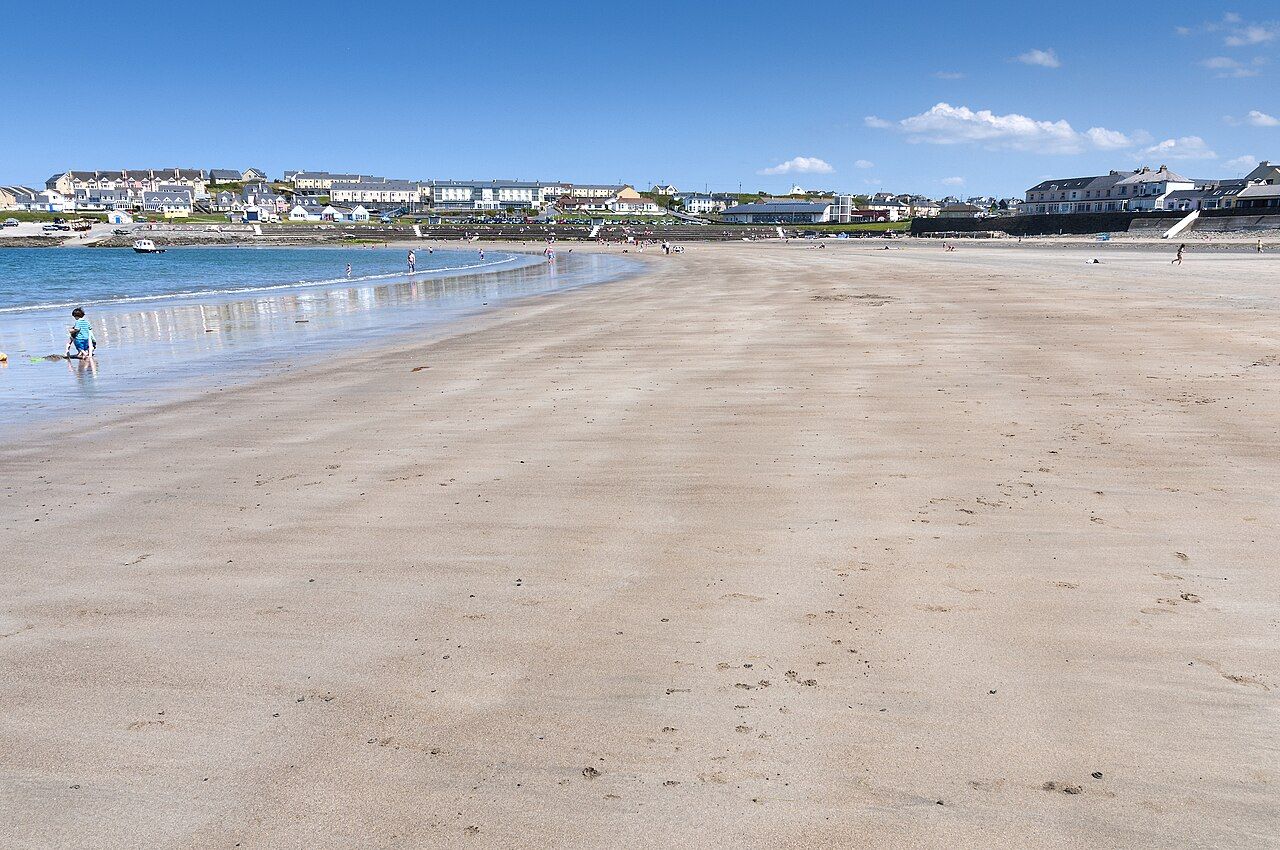
Kilkee sits around a deep, almost round bay on the Atlantic side of the Loop Head Peninsula. The mouth of the bay is partly closed by a long, low reef, the Duggerna rocks, which takes the force out of the Atlantic swell before it reaches the beach. The result is a strand of pale sand where the water inside is often calm while the sea outside the reef is white and heaving.
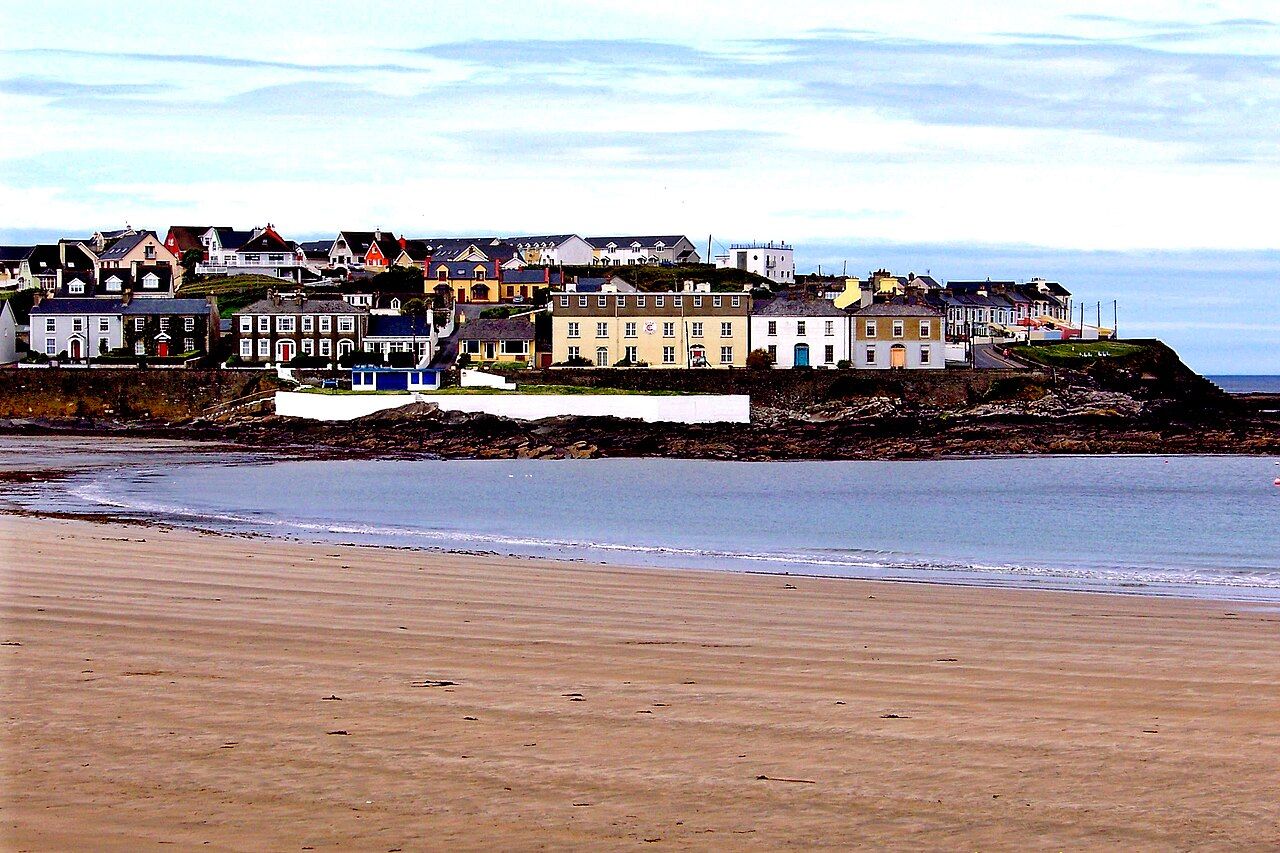
That shelter made the town. In the nineteenth century Kilkee became the seaside resort for Limerick and the Shannon towns, when families came down the estuary by steamer to Kilrush and finished the journey by road, and later by the West Clare Railway. The terraces of tall, bay-windowed houses that curve around the strand date from those years. Charlotte Brontë spent part of her honeymoon here in 1854, and the town still has the look of a place built for long summer stays.
For a rider, Kilkee is the natural base for the peninsula. Loop Head is about 26 km to the west, Kilrush about 13 km to the south-east, and Doonbeg about 12 km up the coast to the north. Every road out of town is a good one.
The strand and the promenade
The beach runs the length of the town, with a promenade above it and the terraces behind. At low tide the sand is wide and firm, and at high tide it shrinks to a narrow band below the wall. The end nearest the town centre is the gentlest; the west end runs out towards the reef and the rocks.
The bay is popular for swimming in summer, and lifeguards usually cover the main beach in the busy season. Outside those times, and on the open coast beyond the reef, you are on your own. Check the tide times before you swim or go out on the rocks, and read the safety signs at the beach entrances. Even inside the bay, a falling tide and an offshore wind can carry a swimmer further out than they meant to go.
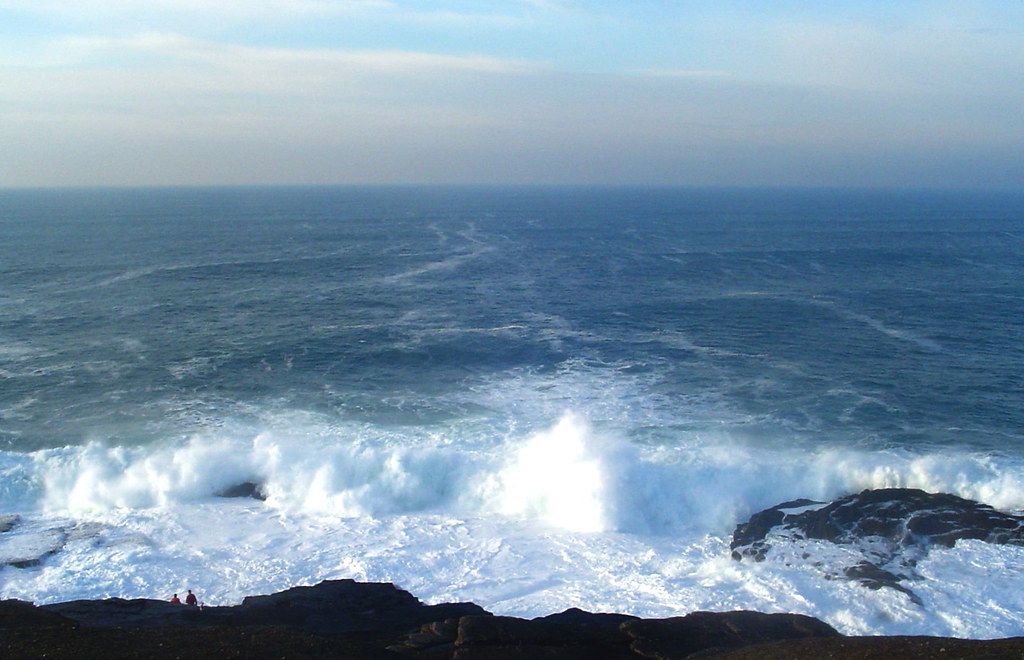
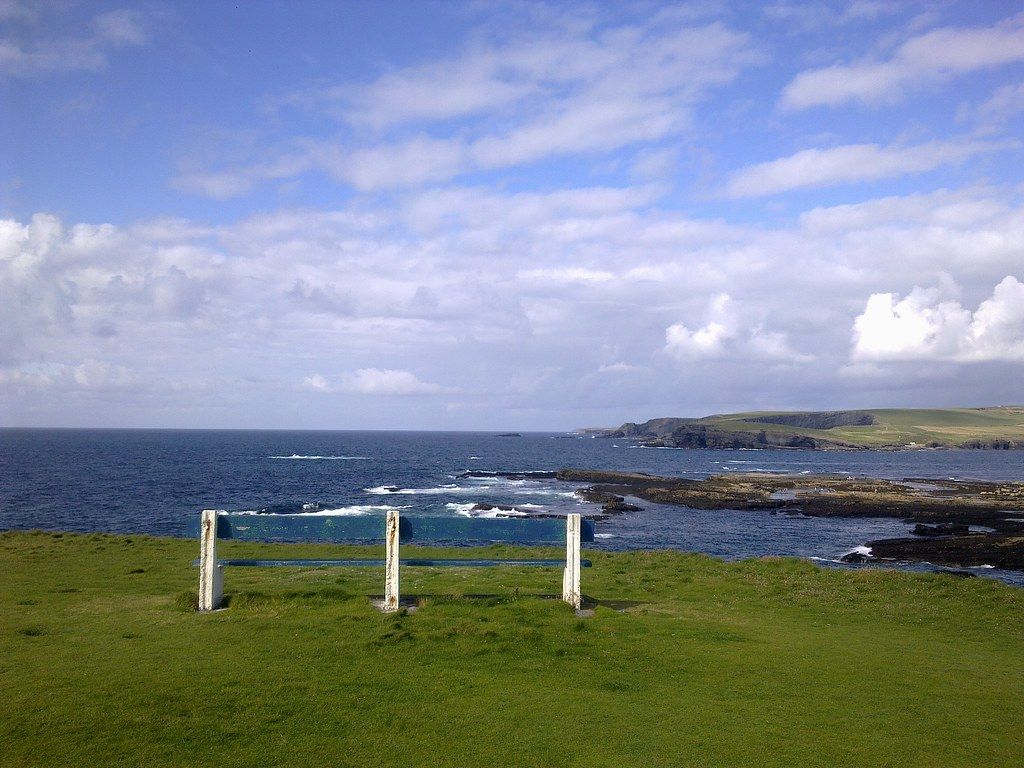
On a rough day the promenade is the place to be. Waves that have crossed the whole Atlantic break on the reef and throw spray high into the air, while the water inside stays strangely quiet.
The result is a strand of pale sand where the water inside is often calm while the sea outside the reef is white and heaving.
The pollock holes
At the west end of the strand the Duggerna reef is cut into flat shelves of rock, and at low tide the sea leaves behind a string of deep natural pools. These are the pollock holes, named for the small fish once caught in them. They are clear, cold and sheltered, and on a warm day at low water people swim in them as if they were outdoor baths.
The pools are only safe on a falling or low tide in settled weather. As the tide turns, the sea pours back over the reef, the shelves grow slippery, and waves can break over the rocks with very little warning. The rock is often coated with weed. Wear something on your feet, keep an eye on the sea rather than the pool, and leave well before the tide comes back. If there is a big swell running, stay off the reef altogether.
The cliff walk and the Diamond Rocks
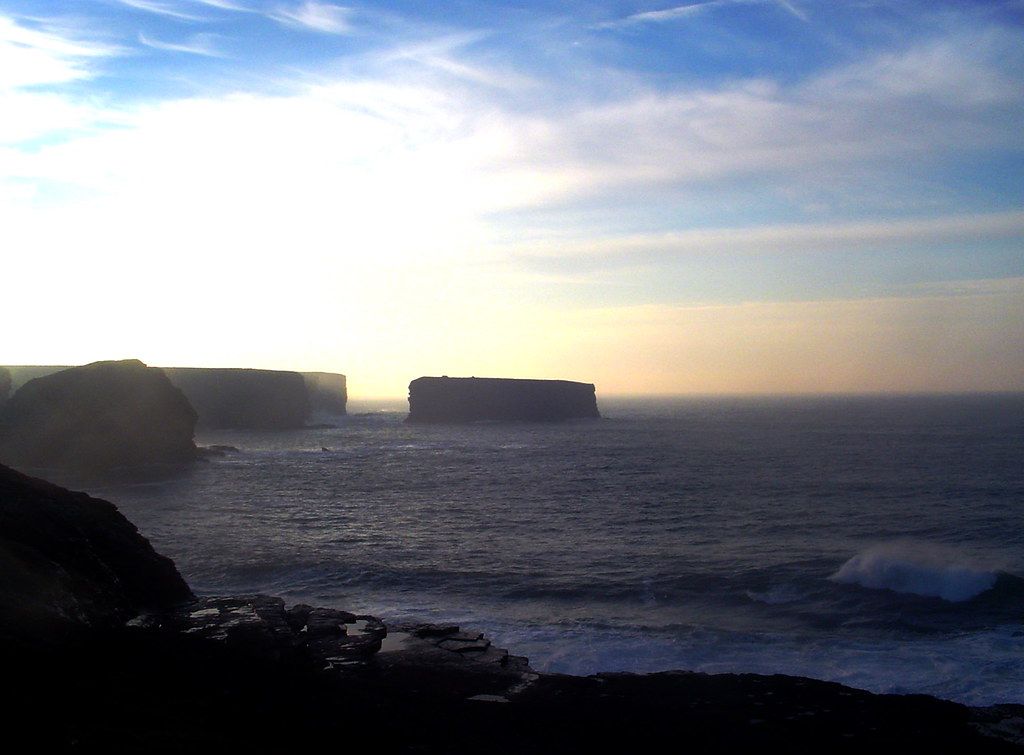
From the west end of town a road and path climb out along the cliffs, with the open Atlantic on one side and fields on the other. This is the Kilkee cliff walk, and it is one of the best short outings on the coast. You can ride the road and walk the grassy path along the top, or leave the bike in town and do the whole thing on foot.
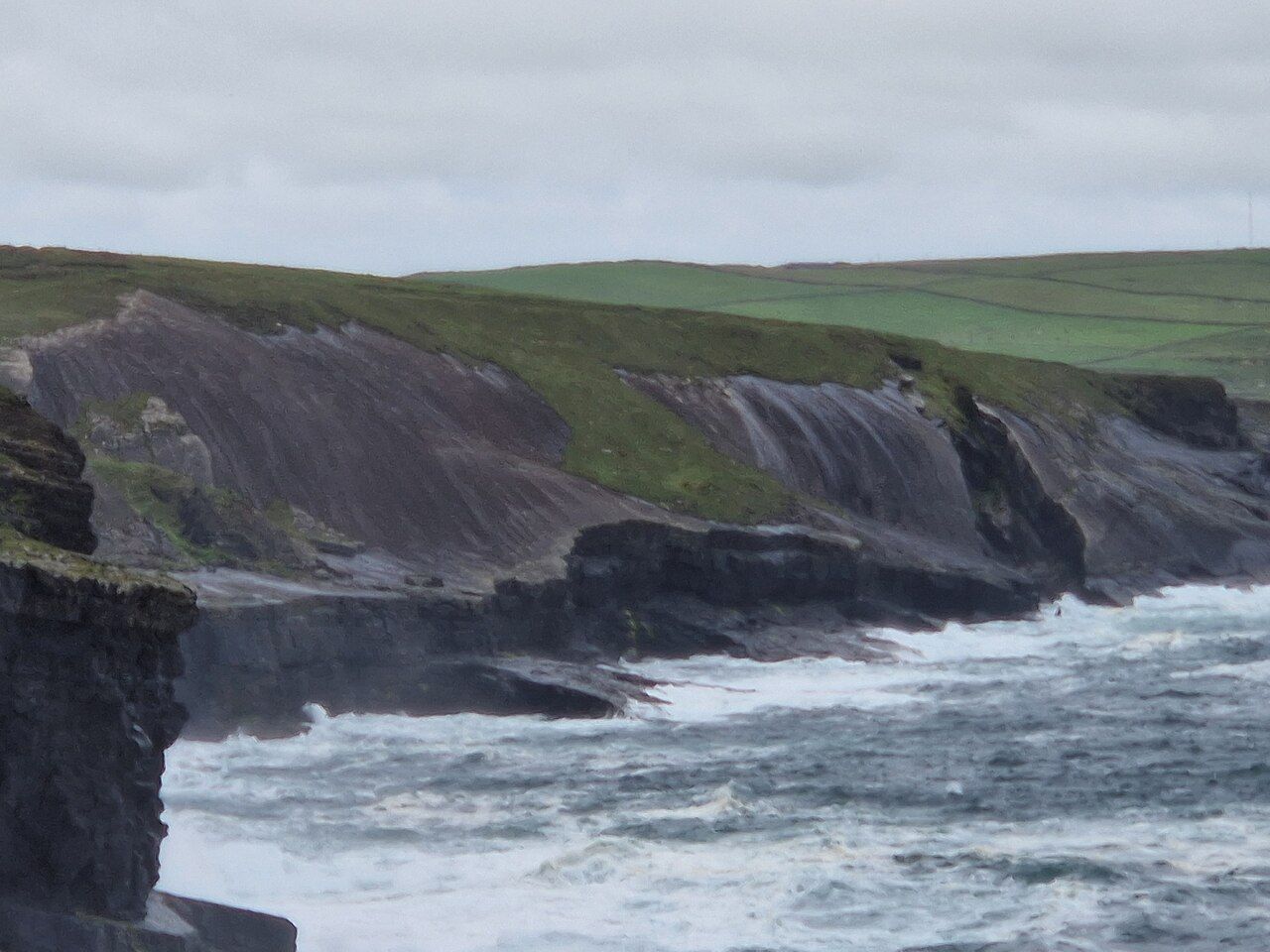
Not far along, the Diamond Rocks are a stretch of shore where the rock carries glinting crystals of quartz, which is where the name comes from. Beyond them the cliffs grow higher and more broken. There are stacks, arches, coves and deep inlets where the swell booms in, and the layered rock is folded and bent in ways that make it look almost soft.
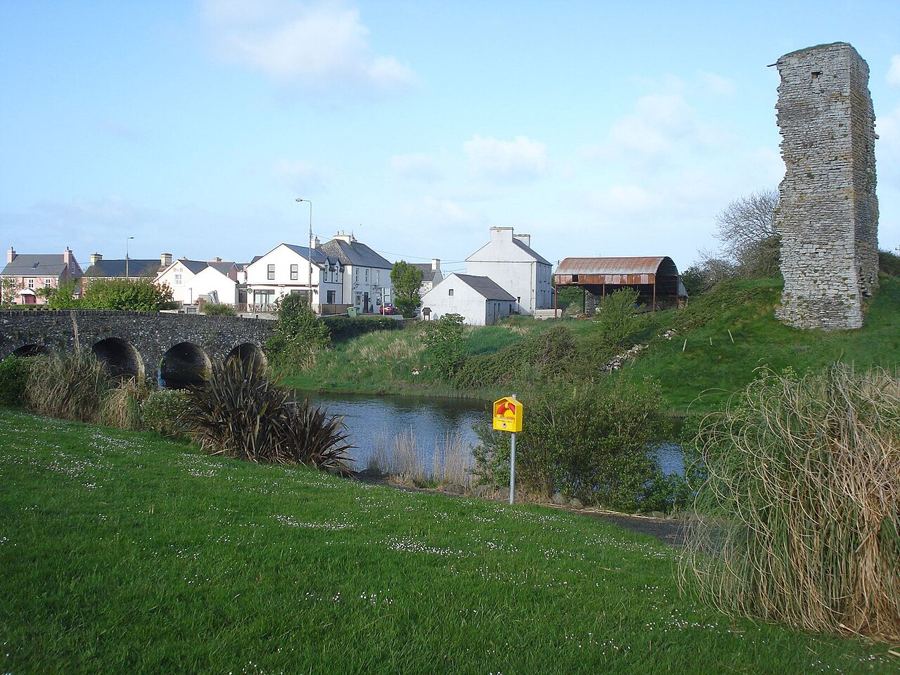 Next stretch of coastDoonbeg and the White Strand
The edge is the danger. The path runs close to the top of high, sheer cliffs, the ground is often wet, and in places the turf overhangs the drop. Keep to the path, stay well back from the edge, and leave it for another day in strong wind or poor visibility. This is not a place for photographs taken a step too far forward.
If you keep riding past the end of the walk, the road turns back inland and joins the main road west, so you can make a short circuit of a few kilometres and come back to town without retracing the cliff road.
Swimming spots and the sea
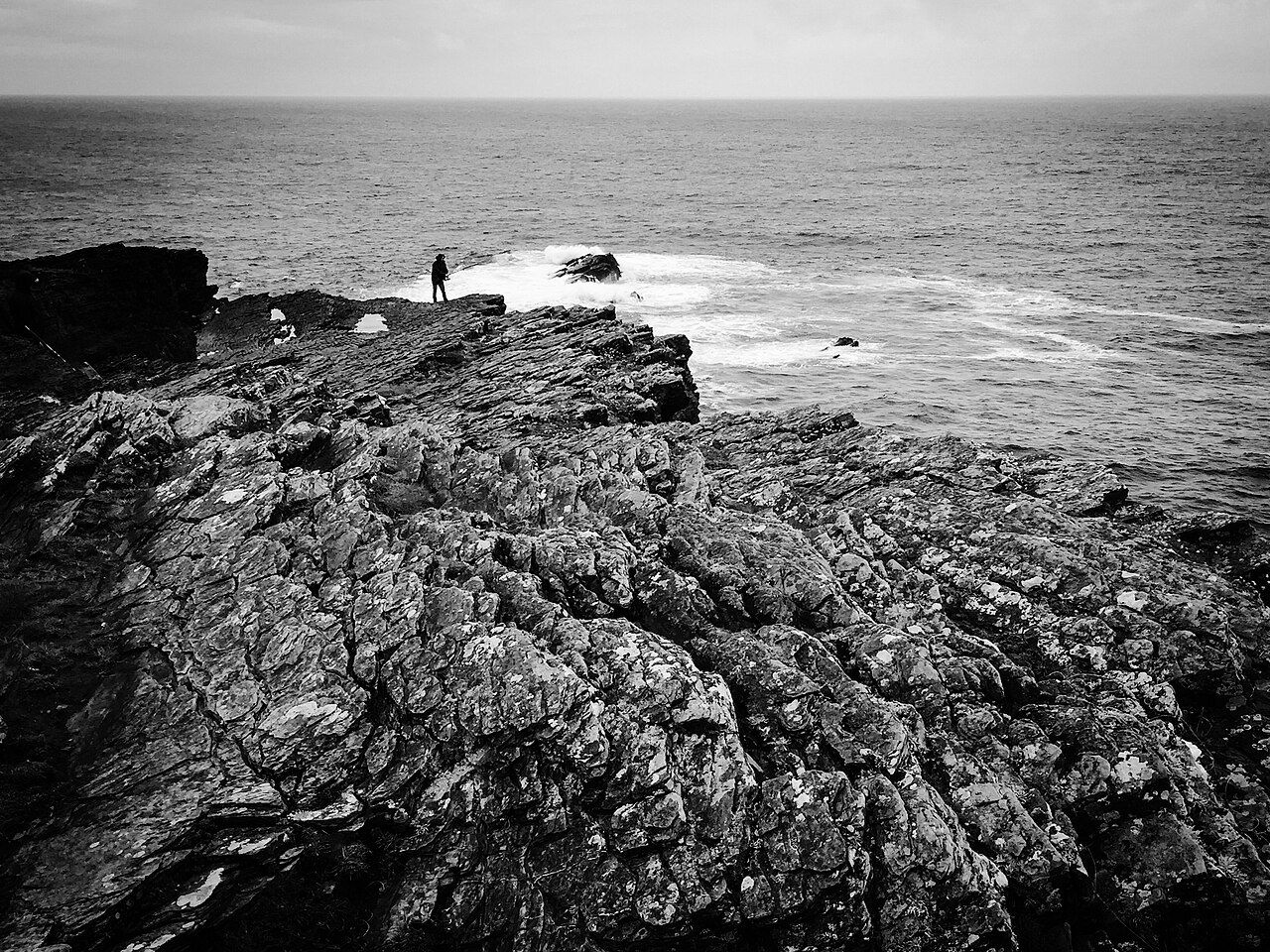
Kilkee has a long tradition of sea swimming that goes well beyond the main beach. Along the rocks there are bathing places and diving spots used by local swimmers for generations, some with steps cut into the rock and some that are no more than a ledge above deep water. Many are only safe at a particular state of the tide, and some are best left to people who know them well.
The water around Kilkee is famously clear, and the reef and cliffs make it a well-known place for diving. Snorkelling in the shelter of the bay on a calm day shows you weed forests, crabs and small fish within a few metres of the shore. The general rules are simple: check the tide and the forecast, never swim alone, be wary of the rocks on a rising tide, and keep out of the open sea beyond the reef unless you are experienced and conditions are calm.
- Low tide is the time for the pollock holes and rock pools.
- High tide suits the main beach, when the walk to the water is short.
- Rough days are for watching from the promenade.
Riding from Kilkee
Kilkee rises gently from its bay, so every ride out of town starts with a climb, but it is a short one. Westwards the R487 runs towards Cross and the tip of the peninsula. South, a road crosses to the estuary side at Carrigaholt, and quieter lanes wander between the two over the bog roads of the interior. North, the N67 heads for Doonbeg and the long beaches of the west Clare coast.
The town is busy in July and August, with traffic on the main street and the seafront, and much quieter in spring and autumn, when the light is softer and you may have the strand nearly to yourself. Kilkee is linked to the rest of Clare by bus, with fewer services out of season.
Whichever way you ride, come back in time for an evening along the promenade. On a clear summer evening the low sun lights the terraces gold and turns the sea beyond the reef to silver.
Pictures here: Eddylandzaat, cc-by-sa